| Cliff Notes |
 |
|
|
| |
|
|
Map 6,
2013
Current Deteriorating Issues,
Simply Stated:
|
News
Coverage and Incidents May 11, 2013 |
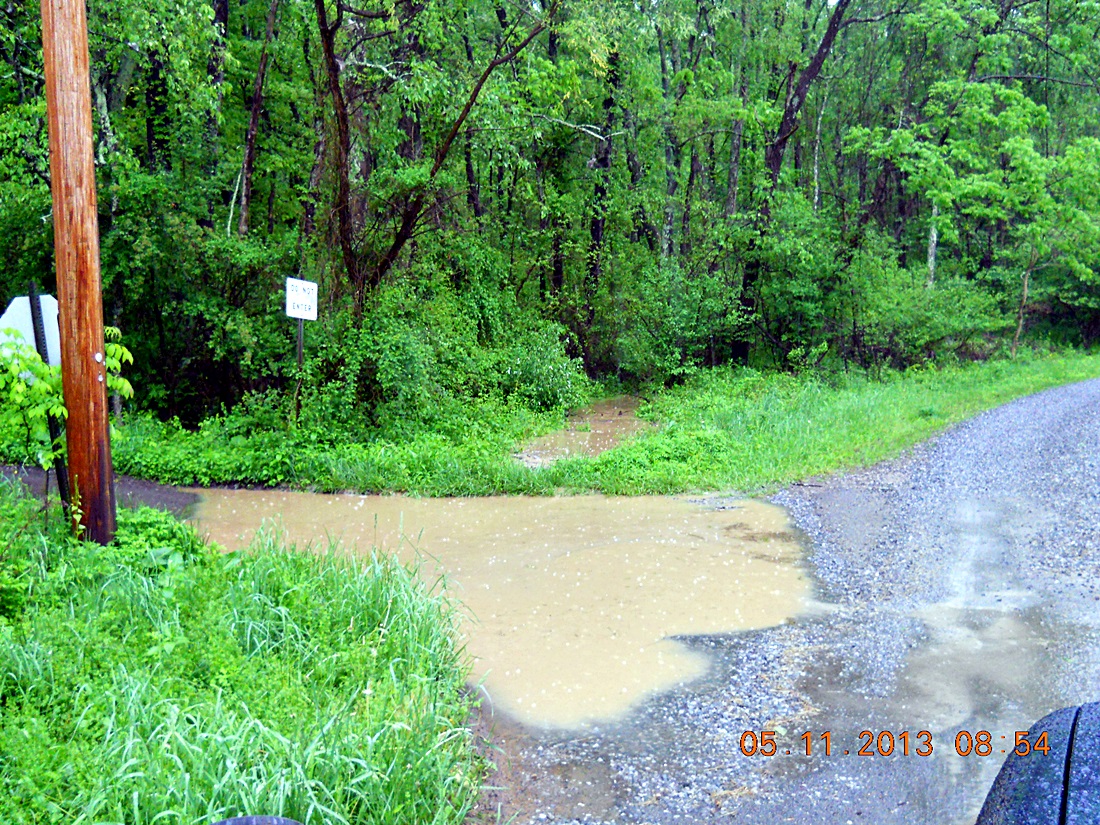
Note:
Images from May 11,
2013
|
 |
 |
 |
|
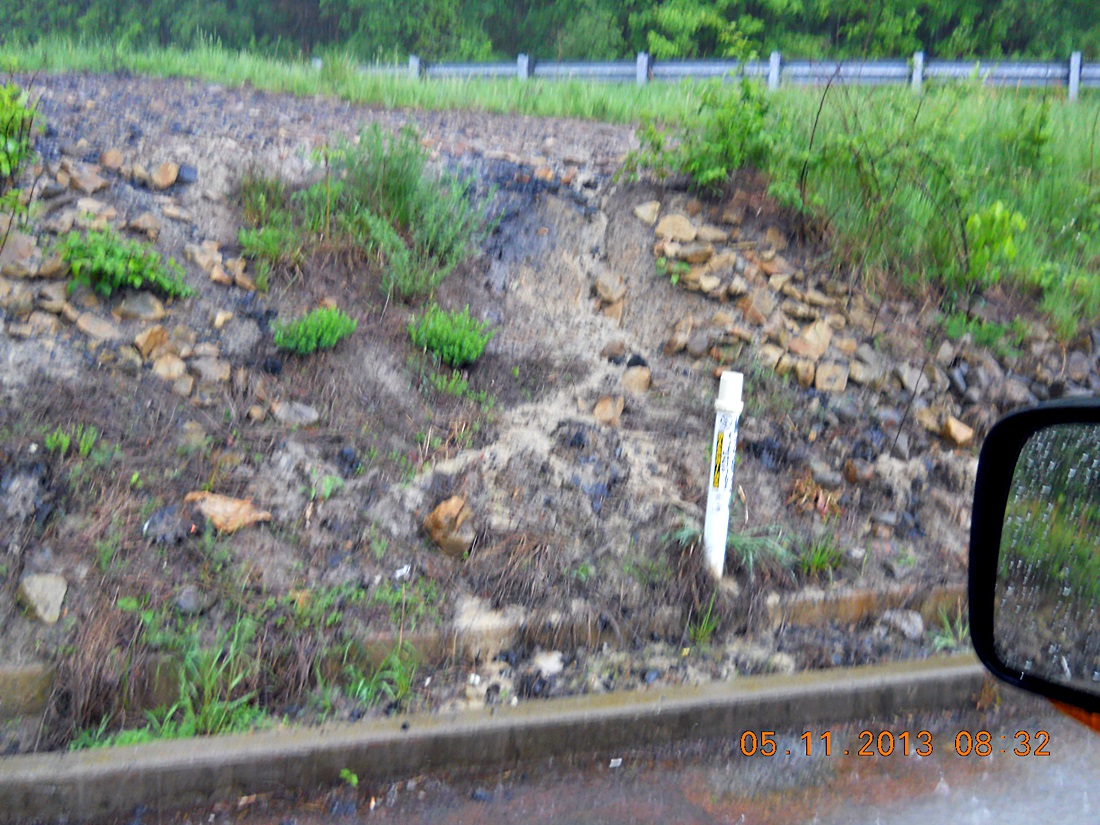
Drainage Running
Around Gas Line Marker
|
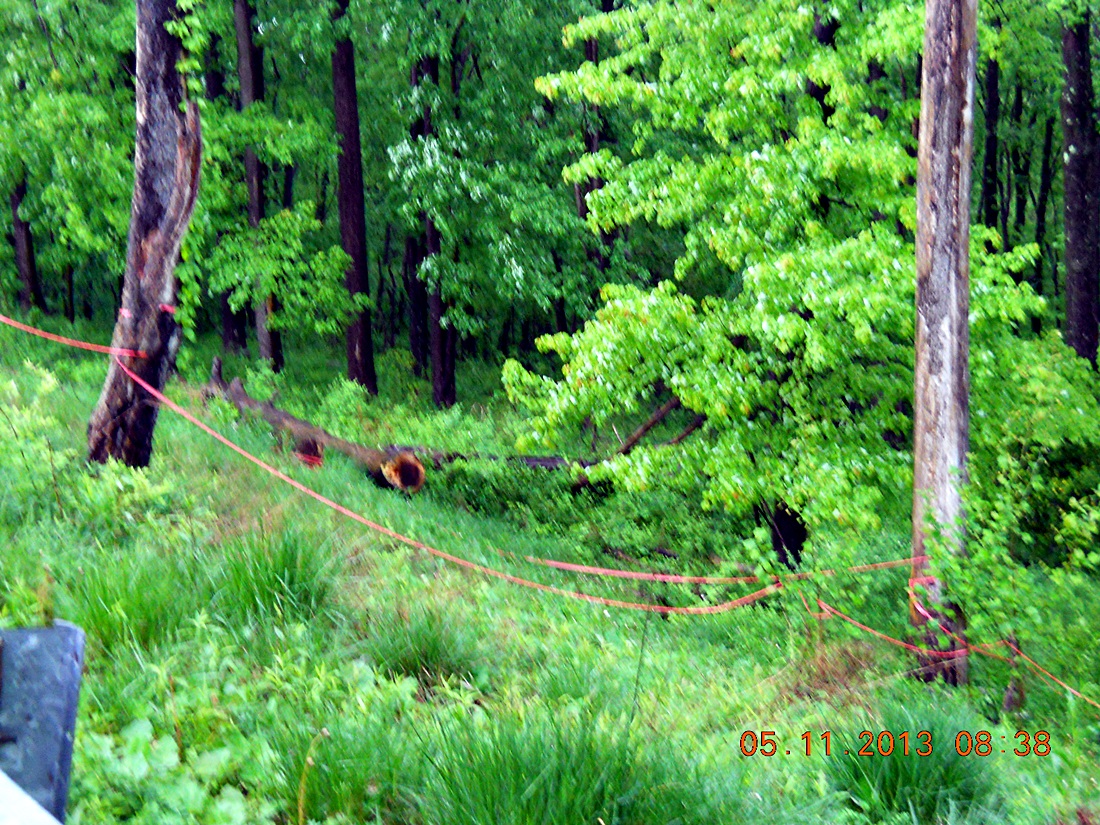
Drainage Flow
Neglected Commercial Lot Area |
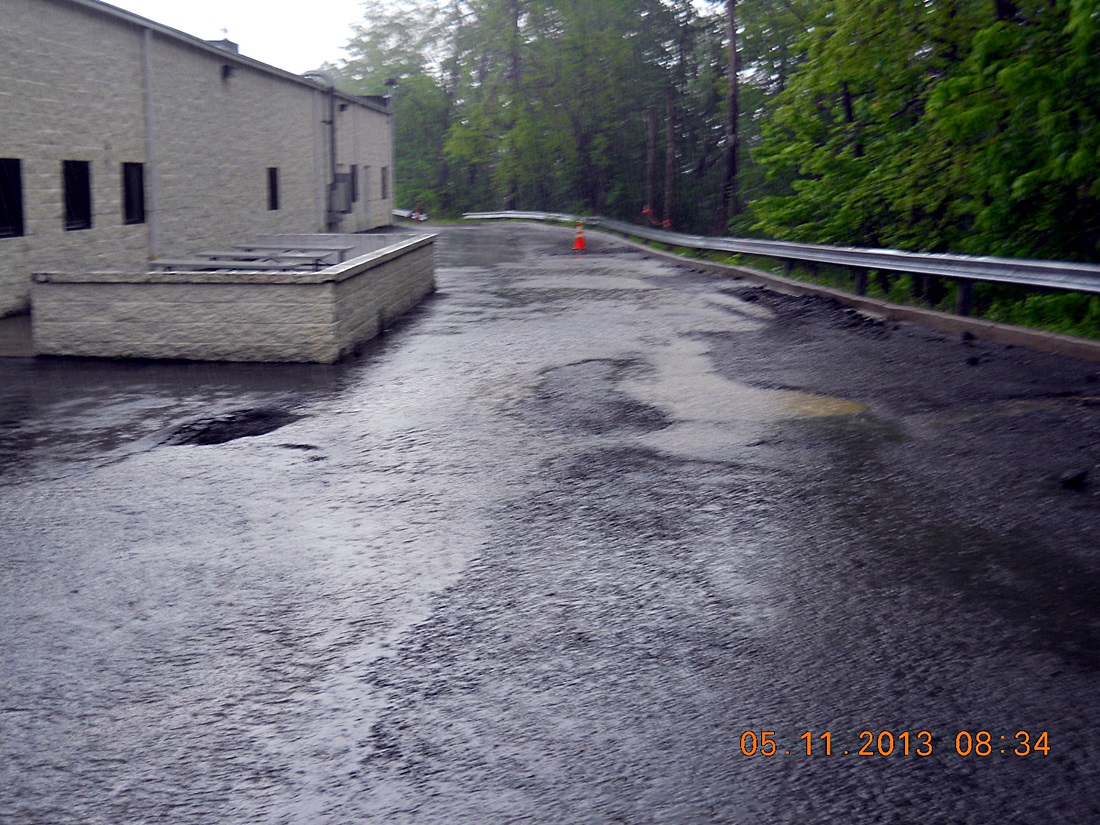
Drainage Flow - Rear Building
113 Platinum Drive
|
|
 |
 |
 |
|
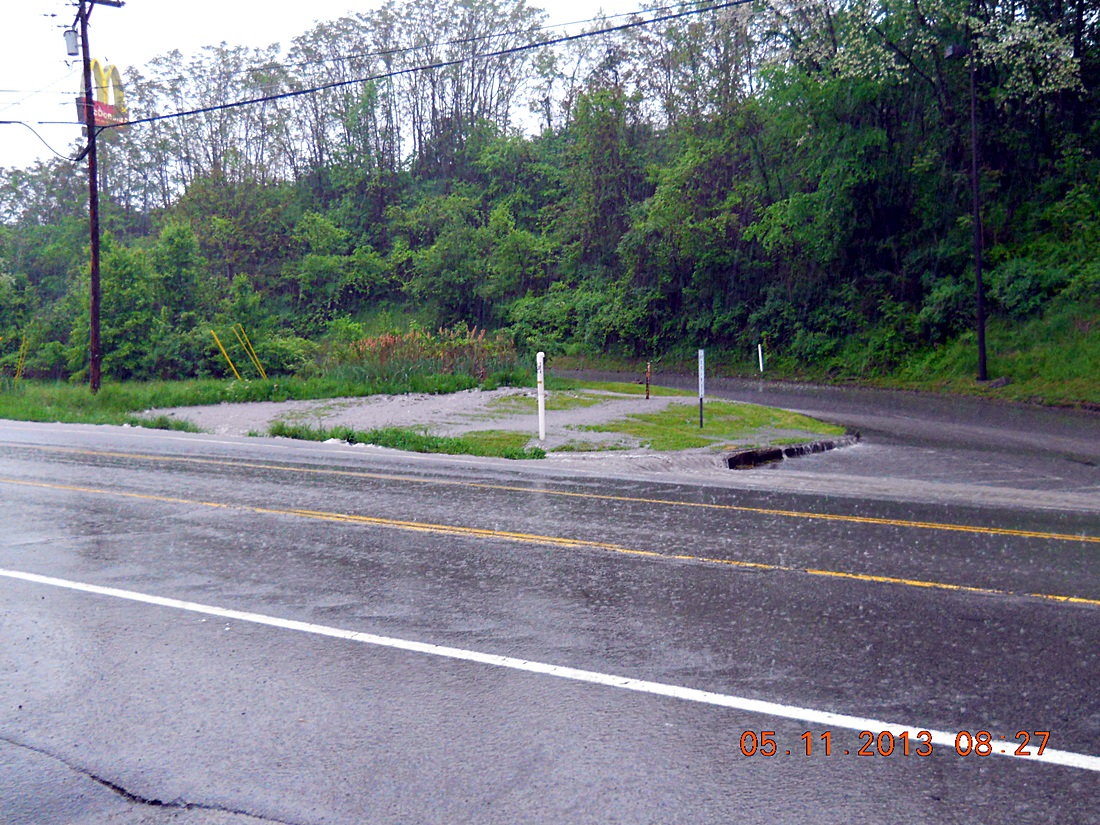
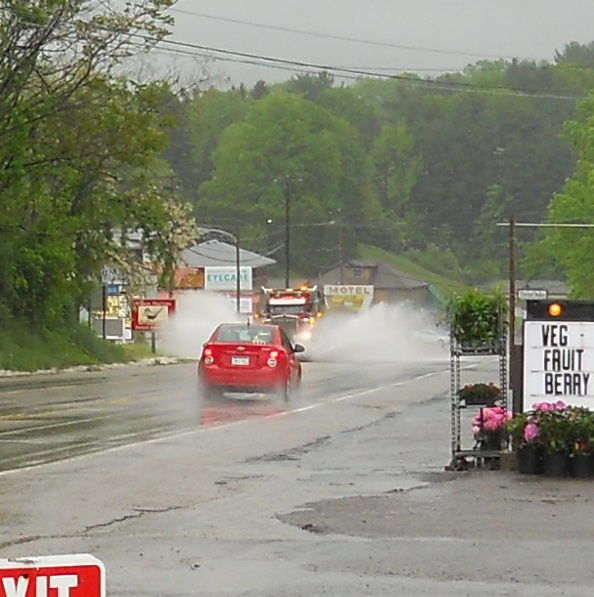
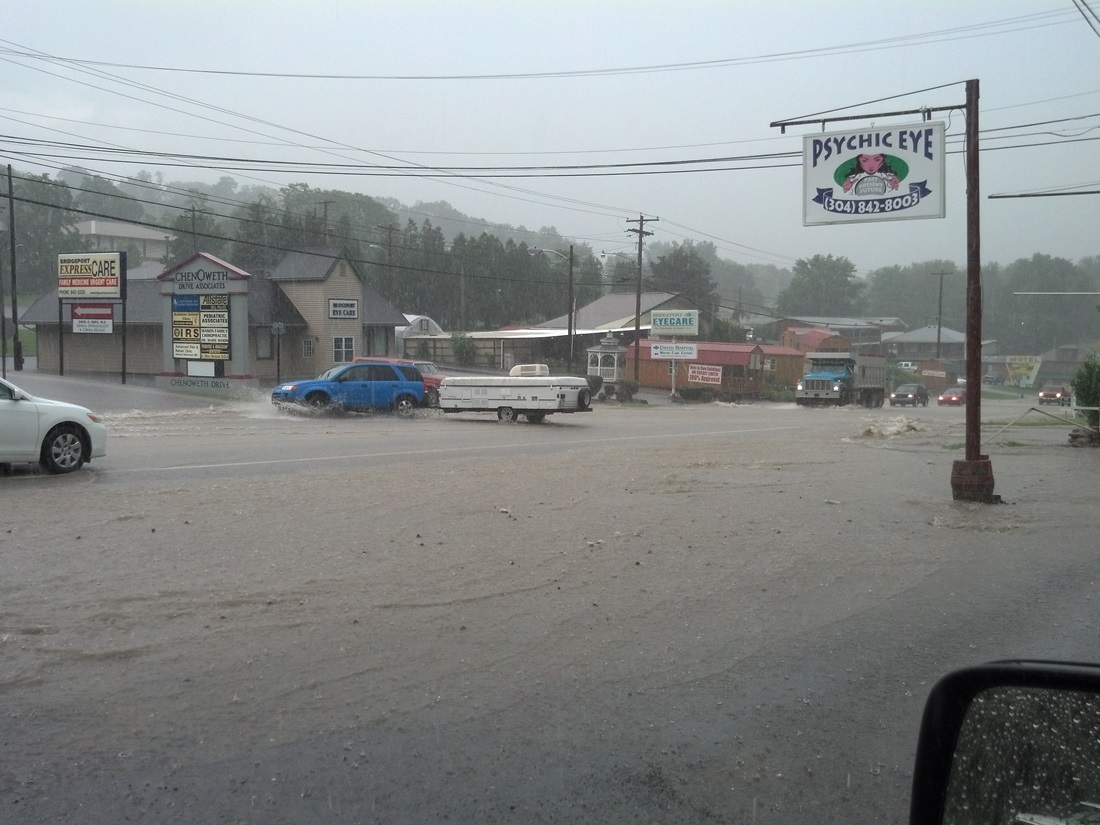
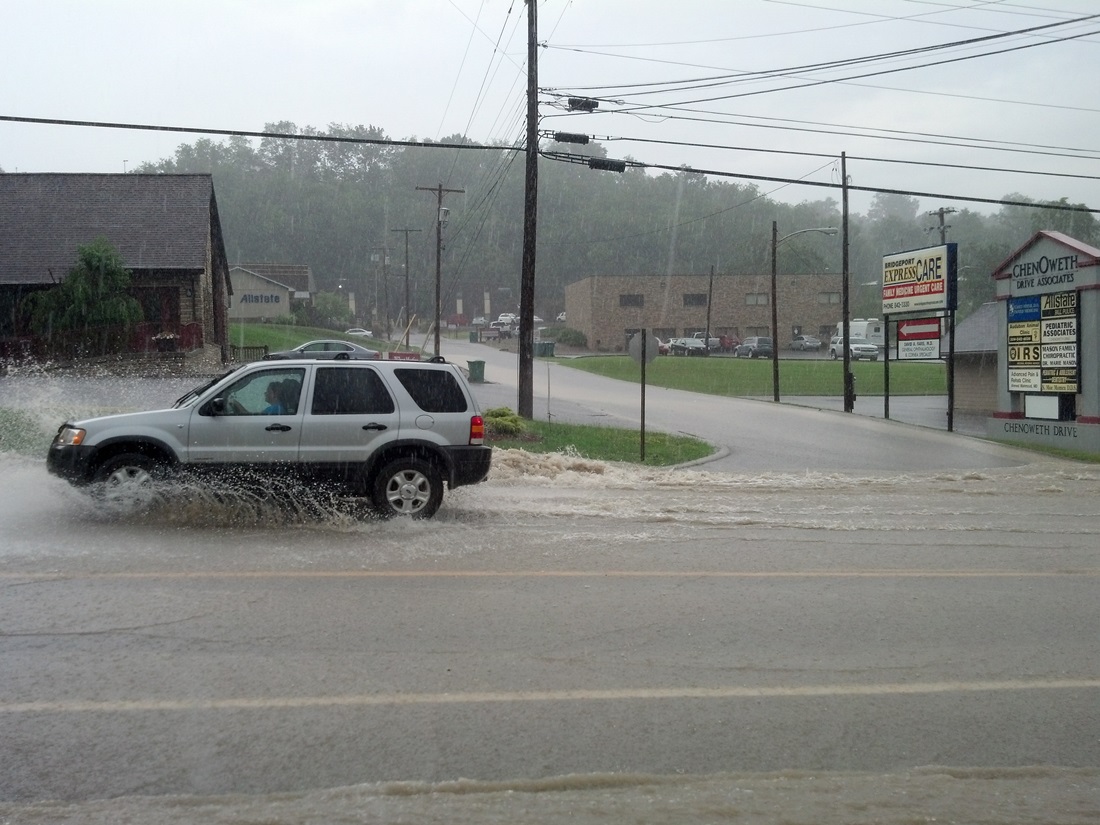
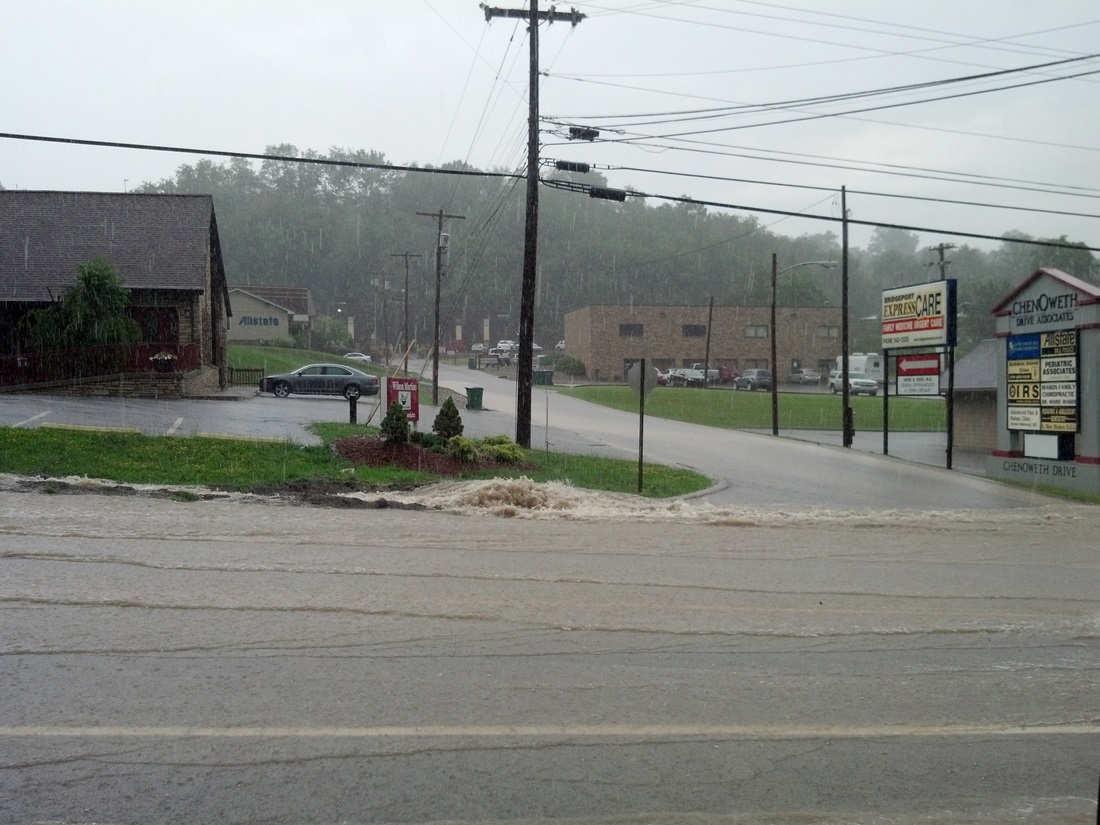
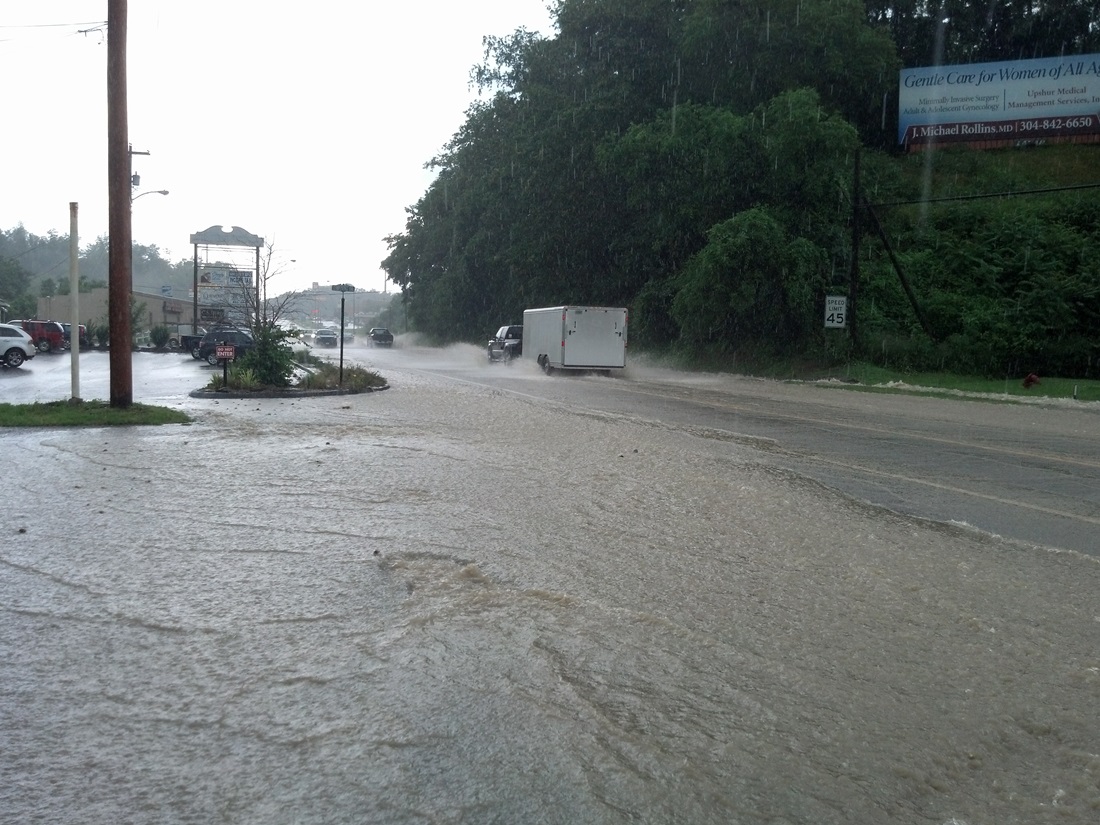
US Route 50
|
US Route 50 - Great
Pause- Danger |
|
Downstream Sediment
Buildup
Before And After The USDA Corpening Drive Retention Ponds
Existence |
|
|
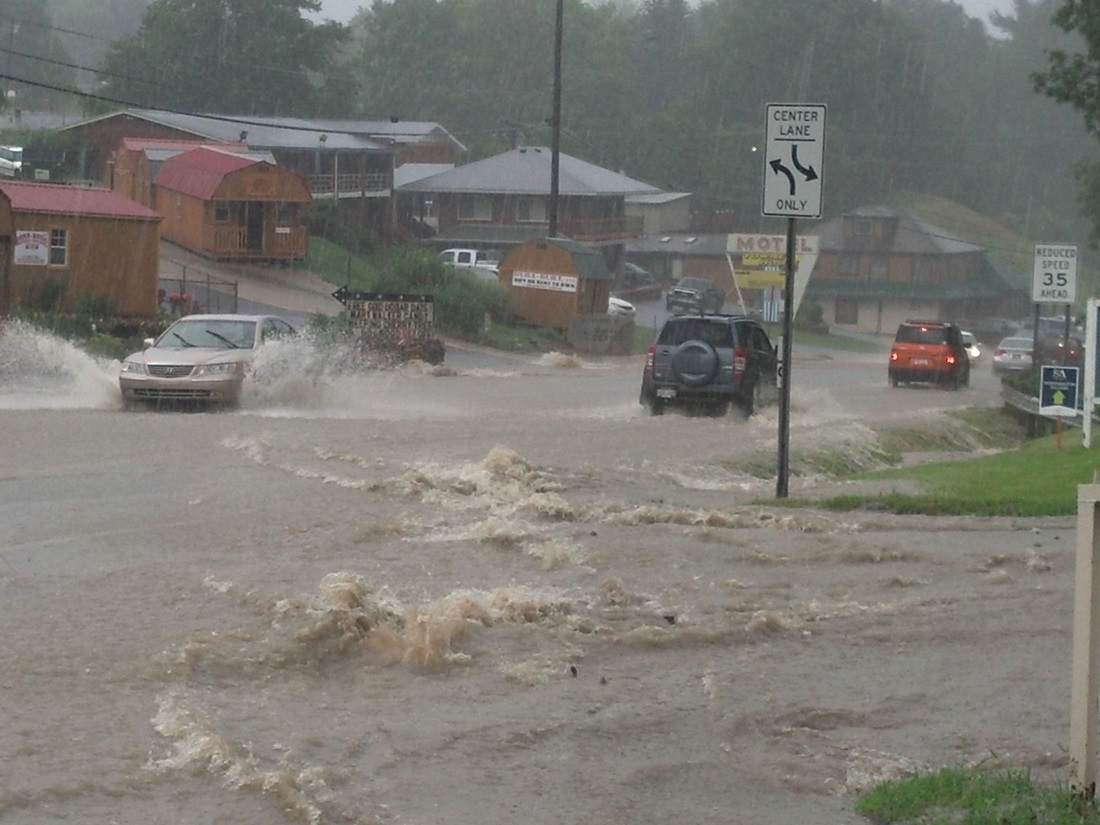
June 28, 2013 - US Route 50 - "The George
Washington Turnpike" |
June 28, 2013;
A local CBS affiliate began reports on storms that
added to the unaddressed damage and continued safety aspects for vehicular
traffic that traverses US Route 50:
"Heavy Rain and Strong Winds Cause Damage in Bridgeport".
| July 12, 2013 - US
Route 50 - "The George Washington Turnpike" |
July 12, 2013;
Another flood occurrence reported on
July
12, 2013;
"Flooding
a Concern For Business Owners in Bridgeport"
is of note.
|
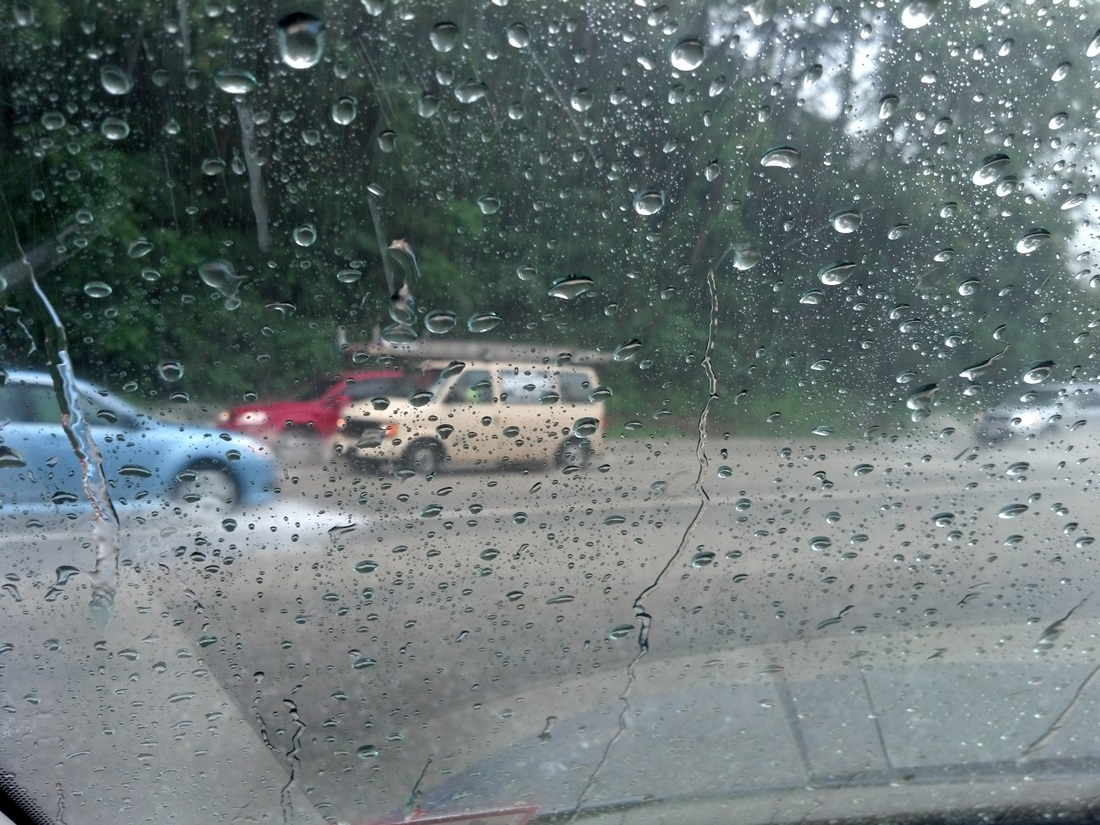
July 12, 2013 - US Route 58 - 7:38 PM |
July 12, 2013; An associate took imagery of emergency vehicles on US Route
58 at 7:38 PM:
.JPG)
|
July 12, 2013 - US Route 58 - A Little Later Near Midnight |
A limited news report on another accident that occurs hours
later, near midnight, (12:00 PM);
"5 Taken to United Hospital Center After Accident in Bridgeport"
The next day a message is received that a new
church had four inches of drainage / mud in their lower level and a car
washed away. Said messenger points to the Platinum
Properties / Partners development.
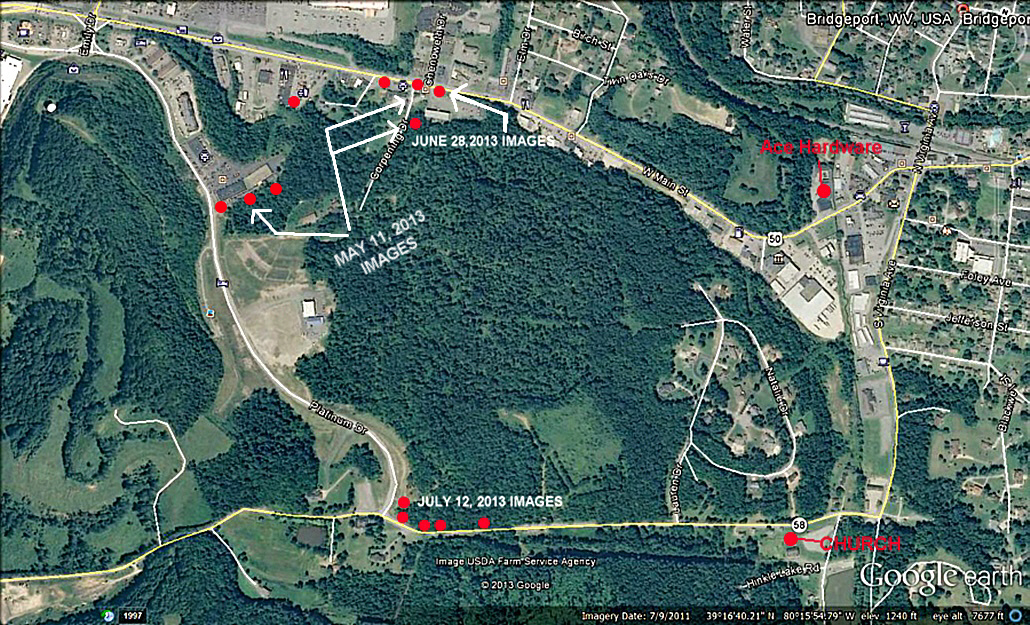
| Locations of Area
Images and Incidents |
Massive and uncontrolled drainage naturally
converges at the lowest point — in this case, a small tributary known as
Anne’s Run. This stream, along with several others, discharges into the
larger Simpson Creek. As Simpson Creek’s historical water tables continue
to rise, a cascade of long-avoidable problems emerges across other legacy
areas of what was once a proud and thriving city.
A partial excerpt from
“It Was the Worst of
Times”
addresses strategic planning undertaken by certain societal
leaders - that relied irrevocably on the acquisition of
developmental areas through aggressive
property devaluation techniques.
An onsite
examination message
received from
Munich in March 2012: “The engineering plans for the slope
and retention pond were not followed in any regard. As such, they
have devalued your property in the process."
This revelation in regard to a developmental effort that
additionally added the
State of West Virginia, Federal Funding, and a shifting
strategic initiatives.
These initiatives involved the creation of situation-ally linked
Limited Liability Companies,
including
Platinum Properties,
Petroplus and Associates,
Platinum Leasing,
Petroplus Lane,
Petroplus Properties,
and potentially others.
The significance of these connections becomes clearer in light of a
former City Manager’s prescient warnings, per the Bridgeport Planning Commission -
Exhibit A: Memorandum for
Bridgeport Planning, which was stapled to the developer's plans:
“Encroachment of business activity will radically disturb
current boundaries. Once those boundaries are pierced,
encroachment will be nearly impossible to control—creating a
cancerous effect. Suburbia will experience rapidly decreasing
property values, leading to the deterioration of our central
neighborhoods. Residential communities will begin to crumble.
The City should not consider zoning actions at the whim of any
individual.”
Despite these warnings, the City and its
chosen developer proceeded where the legacy areas affected
would be far more extensive than could have imagined.
| History - Partners Vested
Interests - Phase One- 109 & 113 Platinum Drive |
Platinum
Property’s Phase One Expansion Summary of Events and Issues:
1. Site Engineering & Zoning
Failures
-
The
approved Site Engineering Plans were not followed, and zoning
requirements were ignored.
-
A private property owner’s
Multi-Generational Grid Fence Line was improperly used as
the
retaining wall
and sole support for a steep, loose-fill earthen slope.
2. Structural Dependence &
Utility Misplacement
-
The loose-fill slope
became the only lateral support for the developer’s two
buildings.
-
Utilities were uncoordinated,
improperly placed, and restricted by undersized drainage lines.
-
The entire Phase One development
became structurally dependent
on the adjoining landowner’s private grid fence line.
3. Zoning Manipulation &
Delay Tactics
4. Immediate and
Progressive Property Damage
-
Following the dismissal of concerns,
Millions in Damgages occurred to Private, Commercial, and
Public Infrastures.
-
Damages, which would go on to affect a much larger topographical footprint.
5. Environmental and
Regulatory Complaints
-
A Retired City of Bridgeport Supervisor informed the
landowner that the developer had removed two retention
ponds located above
the affected area.
-
August 2004:
A U.S. Forestry
Complaint
was filed by the same Retired
City of Bridgeport Supervisor,
citing extensive drainage and sediment runoff.
6. Written Agreement and
Insurance Conditions:
-
Platinum
Properties issued a Written Agreement to correct the Phase
One expansion’s lateral support and drainage
deficiencies.
-
The Developer's Cincinnati Insurance
confirmed this corrective action was a condition of future insurability
for Platinum Properties’ developments.
7. Breach and Further
Expansion
-
The
agreement was never acted upon, leaving the landowners with
false assurances of compliance.
-
The written agreement’s existence,
however, provided sufficient legal appearance of
resolution, allowing
the City–Developer partners
to proceed with the now Federally Funded Phase Two.
-
A now
partnership between the City of Bridgeport, Platinum Properties,
and the State of West Virginia.
-
Federal Dollars are allocated, enabling continued, yet
questionable,
Developmental Expansion.
-
A
previously untouched forest is cleared with
Construction including massive support slope. A “Ski-Slope”
with a
Storm water retention pond.
| History - Non Corrected Phase One
Returns |
-
2006:
Phase
One Issues Resurfaces with a vengence.
A rear lot area lacks lateral support, and drainage-softened
ground exhibits traffic rutting. Damage to underground utilities
and drainage lines becomes a predictable outcome.
(Drainage backs up to a coal seam
beneath one of the developer’s buildings, causing the structure
to lift from the ground.)
-
The failure to adhere to the agreement
results in
A Once-Correctible Situation →
Non-Followed Written Agreement →
Irreparable Damage AND
irreversible
harm to private property, a federally funded development and US
Highway.
-
August 2007:
Platinum Properties conducts a
highly
questionable repair at their initial Phase One, 109 & 113
Platinum Drive location—a
property that had been quit-claimed to the asset-poor Platinum
Leasing during the onset of Phase One’s structural issues in
late 2006.
-
September 2007:
Repairs by Platinum Properties
draw comparisons to pre-1990 Eastern Europe. Observer remark:
“This is not American behavior.”
An assessment from one of
the most internationally connected and business-savvy
individuals likely to have visited West Virginia, highlighting
the severity of the situation.
-
March 2008:
The developer’s
sister company—previously
cited as an anchor for the overall development—is scrutinized
regarding the extension of existing, questionable utility
infrastructure.
-
2010:
Whether through loans or grants,
the developer and their partners still continued to receive additional
federal funding despite prior damages, mismanagement and
dangerous if not criminal infrastructure
concerns.
| History - Notorious Design
Concerns Of Phase Two |
Timeline and Record of
Corpening Drive Retention Pond Issues
-
2005: Federally funded Corpening Drive
Retention Pond is constructed. Five years post-construction, no entity
assumes oversight responsibility for the pond.
-
EPA guidance:
Wet detention ponds should be inspected after every storm
event; failure to correct minor issues may result in
expensive repairs or pond failure. Typical maintenance
includes removal of sediment.
-
February 2010:
An adjoining
landowner provides
written and oral notices identifying deficiencies in the
pond’s developmental drainage design.
-
July 2011:
The
adjoining landowner uploads
Public Notice and submits official notifications regarding
the design deficiencies and non-maintenance of the storm
drainage retention system for the Partner’s Phase Two
expansions.
-
Days later, a neglected, sediment-filled retention pond
fails, causing downstream impacts to the city.
-
October 2011:
An internationally renowned,
multi-degreed professional
conducts an
extensive area examination and
record search.
-
Systemic failures are noted, described
as a “societal breakdown” and “not American Engineering.”
Also advises the adjoining landowner on the
potential hardships to those of weaker standing.
-
March 2012:
A
communication from Munich confirms that the engineering plans were not followed in
any regard.
-
June 2012: Seven years after construction,
massive sediment removal
occurs in the Corpening Drive storm drainage retention pond.
-
July 2012:
The
adjoining landowner discovers serious record changes
involving property transfers between two cities and his.
|
Strategic
Infrastructure Plans That Relied On A Decade Of Legally Ran Oversight |
The above results were made possible by
the long-term Strategic Infrastructure Plans
of a vested few who relied upon the eventual use of
Federal Dollars. Without
the planned use of those federal funds, the events described above
would never have occurred.
Next - Great For The State...


.JPG)
.JPG)
.JPG)
.JPG)
